
Sponsored Content
A new lifeline for anyone travelling through Alberta
Published 6:00 am Thursday, January 22, 2026
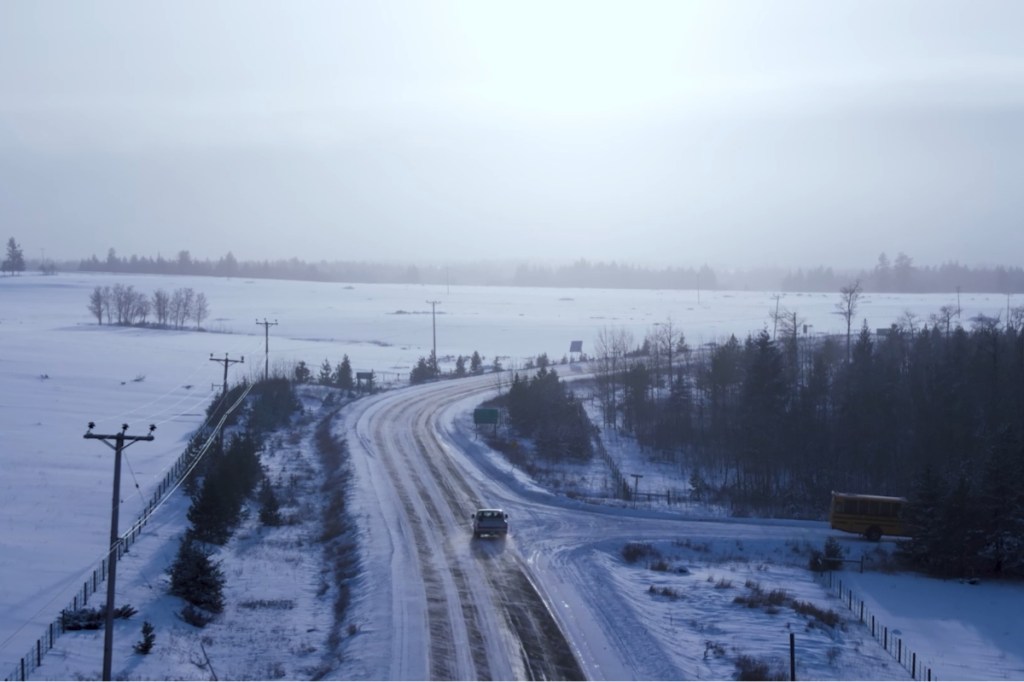
From backcountry parks to off-grid highways, Rogers Satellite offers another way to stay connected
For fly fisherman Don Andersen, days spent on his boat or nights camping in Alberta’s backcountry used to come with one nagging worry – whether he’d missed a message from his wife’s care home.
Andersen is a bamboo fly rod manufacturer in Rocky Mountain House and when he can, spends his free time fishing, camping and travelling across Alberta. But even when he’s away, his mind stays fixed on his wife, who suffers from dementia and lives hours away in a care home.
Andersen would coordinate to get updates from staff twice a day by text – a good system, but one that only works in areas covered by cell service.
But across Alberta, many people who work, live or travel beyond the province’s major highways know how quickly a cell signal can disappear. For Andersen, those gaps in service once meant hours of driving just to find a distant signal, and just to stay in touch.
Rogers Satellite gives Albertans a way to stay connected in places throughout the province they never thought possible. In July, Rogers made text messaging and text-to-911 available to all Canadians, regardless of their wireless carrier, as part of its satellite-to-mobile beta trial.
And with the service’s launch in December, popular satellite-ready apps, including WhatsApp, Google Maps, AccuWeather, X and CalTopo, are also now available. With these apps, customers can now make app-based voice calls, use mapping, check weather, and stay in touch outdoors using most modern smartphones where traditional cell coverage is not available.
Rogers is also the first and only provider in the country to offer satellite-to-mobile service so Canadians can stay connected.
During testing of Rogers Satellite service, more than a million satellite
text messages were sent from places where coverage never existed before
Before Rogers Satellite, Andersen planned his trips around driving times, returning to a coverage area twice a day just to make sure no message about his wife had slipped through. That changed once he could receive updates, no matter how far off the path or into the lake he ventured.
“Staying connected is critical for me,” Andersen says. “Now, I can camp, fish and spend time on my boat without worrying about missed updates. Rogers Satellite keeps me connected, giving me peace of mind and freedom.”
With Rogers Satellite, Andersen no longer needs to weigh whether a campsite is too far from a cell tower or whether a fishing spot might leave him unreachable for the day. He can return to the outdoors and take time for himself without losing the most important connections of all.
It’s not just outdoor enthusiasts who need to stay in touch in remote locations not covered by traditional cellular networks. Easy, available connection also matters to the emergency teams working 24/7 to bring people back home safely.
Search and rescue teams know how quickly situations can change, especially in Alberta’s backcountry. For John Alexander, CEO of Search and Rescue (SAR) Association of Alberta, connectivity is a critical tool in coordinating responses and keeping teams safe on the ground.
He oversees the province-wide network of teams trained to deploy at a moment’s notice, 24 hours a day. These groups support police, municipalities and emergency medical services by providing trained personnel for ground and inland water searches, medical first response and other technical operations. Their work often takes them into remote parks, foothills and forested areas where traditional cell coverage is unreliable or simply doesn’t exist.
For teams operating in those conditions, reliable communication can determine how quickly they can respond. It influences how they coordinate a search, how they track teams in the field and how efficiently they can bring someone back safely.
Connection doesn’t have to stop where cell service ends
Alexander says advancements in satellite support are already changing what’s possible in regions where coverage routinely drops.
“Advancements like Rogers Satellite are game-changers for search and rescue,” Alexander says. “We work to support our SAR professionals with access to excellent connectivity in remote areas, and Rogers has provided a huge assist with a generational leap forward when it comes to communicating in the backcountry with the most modern smartphones. Reliable connectivity in remote areas means faster communication, quicker response times, and more strategic rescues.”
After seeing the benefits of Rogers Satellite service during the beta period – where more than a million satellite text messages were sent from places where coverage never existed before – Alexander says he’s convinced this is the future. He’s now looking forward to further planned enhancements to the technology.
“This technology has the potential to help ensure our professionals can maintain access to crucial life-saving software applications,” Alexander says. “Integrating satellite into everyday devices ensures both our teams and the public can stay connected and safe, especially in the remote areas in which we so frequently work to bring people home.”
And in a province known for its wide-open landscapes, rugged mountain peaks and long stretches without traditional service, that added layer of connectivity can help ensure searches start with clearer information and end with people returning safely. With only 18 per cent of the country covered by traditional wireless networks, Rogers Satellite is helping fill critical gaps across Alberta’s most remote regions.
Peace of mind for Alberta travellers & SAR teams
The service has already proven its value. The first satellite-supported 911 text in Quebec was placed just days after the beta trial launch.
As Don Andersen and Alberta’s search and rescue teams both show, connection doesn’t have to stop where cell service ends. For anyone spending time beyond traditional cell coverage – whether camping, working or travelling – signing up for Rogers Satellite is a practical way to stay prepared.
With satellite support available on most modern smartphones, Albertans can move through the province’s most remote landscapes with greater confidence, knowing they can stay in touch no matter how far they go.
Rogers customers on select plans can enjoy Rogers Satellite at no additional cost for promotional periods. All Canadians can sign up for Rogers Satellite for $15/month, with beta trial participants receiving a $5/month discount for the first 12 months.
To learn more about Rogers Satellite, including information about service availability and limitations, visit rogers.com/satellite